
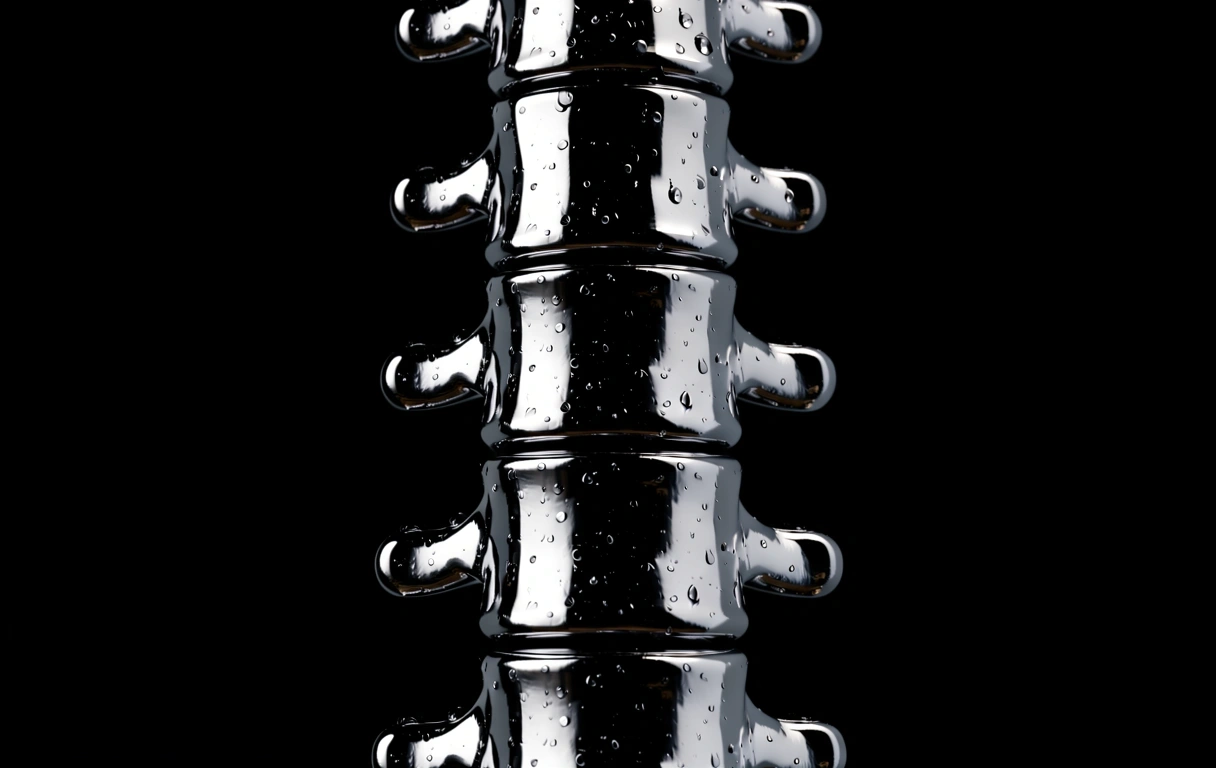
Systemic
Tension
Physical balance is not a static posture; it is a dynamic state of managed force. Understanding the physics of rest and load is the first step toward enduring energy.
The Physics of Recovery
At Balance Habits, we view the body as a high-precision mechanical system. Most fatigue stems not from lack of effort, but from unresolved systemic tension. When the central nervous system (CNS) remains in a high-alert state, muscular recovery stalls, regardless of how much sleep you obtain.
Educational movement focuses on down-regulating this tension. By prioritizing habits that recalibrate the nervous system and restore joint spacing, we stabilize the foundation of daily energy.
CNS Sovereignty
Prioritizing neurological safety to release chronic muscular guarding and improve functional mobility.
Joint Integrity
Sustainable habits emphasize the maintenance of natural leverage and pressure distribution across the kinetic chain.
Restorative Load vs. Traditional Training
Understanding when to push and when to recalibrate is essential for metabolic longevity. Use heart-rate variability (HRV) as your primary feedback mechanism.
| Criteria | Traditional Training | Restorative Movement |
|---|---|---|
| Target Outcome | Performance peaks & hypertrophy | Systemic down-regulation & equilibrium |
| Ideal HRV State | Stable high readings | Low or fluctuating readings |
| Recovery Impact | Requires significant nutrient timing | Accelerates cellular waste removal |
| Muscular State | Controlled micro-trauma | Decompression and realignment |
The 5-Point Stability Check
Perform this assessment daily to identify mechanical bottlenecks before they manifest as chronic fatigue.

Postural Alignment
Assess the stacking of ears over shoulders and ribs over pelvis. Are you bracing against gravity or flowing with it?
Hinge Mechanics
Observe mobility in the posterior chain. Restricted hinges indicate neural guarding that drains daily energy reserves.
Breath Depth
Verify 360-degree expansion. Shallow chest breathing locks the body in a stress state, hindering recovery cycles.
Visual Tension
Cervical spine health is dictates by ocular focus. Regular horizon resets prevent chronic upper-body tightness.
Tissue Hydration
Systemic pliability is chemically dependent. Check for muscular dryness through skin elasticity and joint sound signatures.
Clarifying Equilibrium
We address the biological nuances of movement to ensure your habits build energy rather than deplete it.
Our MethodologyBuild Your Balance Architecture
Sustainable energy is a product of high-precision habits. Join our next workshop or integrate our science-backed curriculum into your daily routine.
Latest Protocol: The Recovery Window
A technical guide on metabolic timing and its impact on muscular equilibrium. Based on 2024 ergonomic standards and systemic hydration research.
Documentation Reference: BH-PHYS-0024
12 High Street, London, WC2N 5DU, United Kingdom
+44 20 7943 5630